
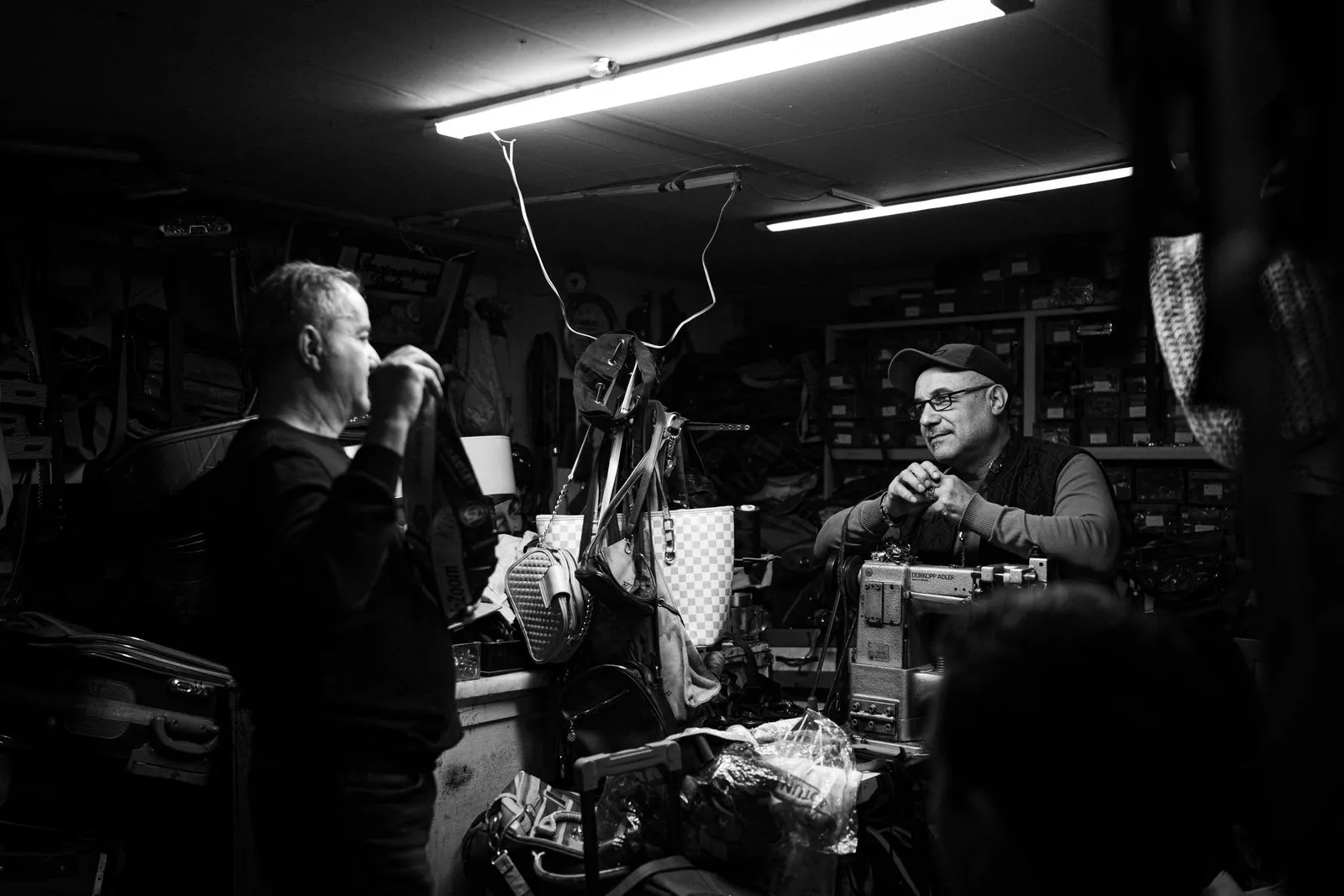
Professional stretching can ease pressure points, but careful wear afterward helps your shoes settle into their new fit. Start gradually, check how the shoes feel, and follow care steps suited to the material. Avoid heat or forceful adjustments that could undo the work or damage the shoe. These practical habits can help preserve comfort and shape, whether your footwear is leather, suede, or another material.
Break Them In Gradually
Wear stretched shoes indoors for a short period first, ideally with the socks or hosiery you expect to wear regularly. Walk on a clean, dry surface and pay attention to the original pressure points. If the shoes feel comfortable, increase wear time gradually rather than putting them through a full day immediately.
A stretched shoe should feel less restrictive, not loose or unstable. Stop wearing it if you notice rubbing, pinching in a new spot, or your heel slipping. Give your feet and shoes a rest, then reassess the fit. Persistent discomfort may mean the adjustment needs review; do not try to force the material wider yourself.
Keep the Shape
After wearing, let shoes air out at room temperature before storing them. Remove insoles if they are removable, and loosen laces or fastenings so the upper can relax without being pulled out of shape. Cedar shoe trees can help maintain the shoe’s form and absorb some moisture, but choose a size that fits gently rather than stretching the shoe further.
Store footwear in a cool, dry place away from direct sunlight, heaters, and damp areas. Heat can dry or distort materials, while trapped moisture can affect both the upper and lining. Avoid stacking heavy items on the shoes. If you use a dust bag or box, make sure the shoes are fully dry before putting them away.
Use Material-Specific Care
For smooth leather, wipe away surface dirt with a soft cloth and apply a conditioner intended for that leather when needed. Use a small amount and test it on a hidden area first. Too much product can soften or darken the upper, so follow the product directions and let the shoes dry naturally before wearing them.
Treat suede and nubuck differently: use a dry suede brush and a product labeled for that material. Avoid standard leather creams, heavy oils, and soaking. For fabric or synthetic shoes, check the manufacturer’s cleaning instructions before applying cleaners. When in doubt, ask a shoe care professional which products are suitable for the specific upper and finish.
Protect the New Fit
Use a shoehorn when putting on structured shoes, and undo buckles or laces before taking them off. These small steps reduce unnecessary pulling at the opening and seams. Rotate between pairs when possible so each shoe has time to dry and recover between wears, especially after a long day or damp conditions.
Do not use a hair dryer, radiator, water-soaking method, or an at-home stretcher to change the fit after professional work. Such methods can cause uneven stretching, weaken adhesives, or damage finishes. If a shoe still presses in one area or feels too loose, return to the shop that performed the stretching for an assessment before making another adjustment.
A gradual break-in, clean and dry storage, and care suited to the shoe’s material help maintain comfort after stretching. Watch for changes in pressure or stability, and avoid improvised heat or stretching methods. If the fit remains uncomfortable, Sacramento Shoe Care can assess the shoes and recommend an appropriate next step.